The Art and Science of Australian Web Design: Crafting Exceptional User Experiences
In today’s digital age, a well-designed website is more than just a visual aesthetic; it’s a critical component of a business’s success, customer satisfaction, and online identity. As Australian Web Designers strive to create websites that engage users, enhance accessibility, and drive conversions, web design has evolved into a sophisticated blend of creativity, technology, and psychology. In this blog post, we’ll explore the essential principles of web design, the latest trends, and how to create a website that not only looks great but performs excellently across all devices and platforms.
The Foundations of Australian Web Design
1. User-Centered Design
At the heart of successful Australian Web Designers lies the principle of user-centered design (UCD). UCD emphasizes the importance of understanding the needs, behaviors, and goals of the end user when designing a website. A user-centered approach ensures that the website’s interface is intuitive and accessible, allowing users to accomplish tasks easily and efficiently.
In practice, user-centered design involves:
- User Research: Conducting surveys, interviews, and usability tests to understand your target audience’s preferences and pain points.
- Personas: Creating detailed profiles of typical users to guide the design process and ensure it aligns with real-world needs.
- Wireframing and Prototyping: Developing wireframes (simple, low-fidelity designs) and prototypes (interactive versions of the website) to visualize the user journey and ensure optimal usability.
2. Responsive Design
The rise of mobile internet usage has made responsive design a fundamental aspect of modern web design. A responsive website automatically adjusts its layout and content to fit various screen sizes, whether it’s viewed on a desktop, tablet, or smartphone. This ensures a seamless experience across devices without requiring users to zoom, scroll horizontally, or navigate awkwardly through the content.
Responsive design employs flexible grids, media queries, and scalable images to adjust the layout based on the user’s screen resolution. In an age where over half of web traffic comes from mobile devices, neglecting responsive design can severely limit a website’s reach and performance.
3. Performance Optimization
Website performance has become a major factor in user experience. Slow-loading pages not only frustrate users but can also negatively impact search engine rankings. Studies have shown that users expect a page to load within 2-3 seconds, and if a page takes longer, they are likely to abandon it.
Key areas to focus on for improving performance include:
- Image Optimization: Compressing images without sacrificing quality is essential. Tools like TinyPNG and ImageOptim can help reduce file sizes.
- Code Minification: Minifying CSS, JavaScript, and HTML files by removing unnecessary characters (like spaces and comments) can reduce load times.
- Content Delivery Networks (CDNs): A CDN distributes content across multiple servers worldwide, ensuring faster delivery to users regardless of their geographic location.
- Lazy Loading: This technique defers the loading of off-screen images or content until the user scrolls to them, improving initial load times.
4. Typography and Readability
Typography plays a crucial role in both the aesthetics and functionality of a website. The right typeface can set the tone of your website, while good typography ensures readability and user engagement. Here are a few typography best practices for Australian Web Designers:
- Hierarchy: Use varying font sizes, weights, and styles to create a clear visual hierarchy. Headings should stand out, while body text should be easy to read.
- Legibility: Ensure the font is easy to read, particularly on smaller screens. Sans-serif fonts like Arial and Helvetica are often favored for digital content due to their clean lines.
- Line Spacing and Letter Spacing: Adjust line height and letter spacing for optimal readability. Text that is too cramped can be hard to follow, while text with too much space can appear disjointed.
5. Color Theory and Visual Design
Color has a powerful psychological impact and plays an essential role in web design. The color palette you choose affects the overall feel and usability of your website. For example, blue often conveys trust and professionalism, while red can evoke urgency or excitement. When selecting colors for your site, consider the following:
- Brand Identity: The color palette should align with your brand’s identity and mission. Consistent use of color enhances brand recognition and creates a cohesive user experience.
- Contrast: Ensure there is enough contrast between text and background colors for readability, especially for users with visual impairments.
- Color Blindness: Choose color schemes that are accessible to people with color blindness. Tools like Color Oracle can help designers simulate how a color palette appears to users with various forms of color blindness.
6. Australian Web Design Navigation and Information Architecture
An intuitive navigation system is essential for a positive user experience. A website with poor navigation can leave users feeling frustrated and lost. The structure of your website should allow users to find the information they need quickly and with minimal effort. Here are some principles for creating effective navigation:
- Simplicity: Keep the main navigation menu simple with no more than 7-8 options. Use clear, descriptive labels that are easy to understand.
- Logical Structure: Organize content into categories that make sense. Group related items together and create a hierarchy that helps users navigate through the site easily.
- Search Functionality: Including a search bar on your site allows users to directly access content without having to browse through menus.
7. Accessibility and Inclusivity
Web accessibility ensures that all users, regardless of ability, can use your website effectively. This includes users with visual, auditory, motor, or cognitive disabilities. Designing for accessibility not only makes your site more inclusive but also helps with search engine optimization (SEO) and legal compliance.
Some common accessibility best practices include:
- Alt Text for Images: Provide descriptive alternative text for all images so screen readers can convey the content to visually impaired users.
- Keyboard Navigation: Ensure that users can navigate the website using only a keyboard, especially for those with motor disabilities.
- Color Contrast: Use high contrast between text and background to accommodate users with low vision or color blindness.
8. SEO (Search Engine Optimization)
While SEO is often thought of as a separate discipline from web design, the two are intimately connected. Good web design practices can help improve a website’s search engine rankings, ensuring it gets discovered by more users.
Some SEO best practices for Australian Web Design include:
- Mobile-Friendly Design: Google uses mobile-first indexing, which means mobile-friendly websites are ranked higher in search results.
- Fast Load Times: As mentioned earlier, speed is a ranking factor. Optimizing images, minimizing code, and leveraging caching can help improve load times.
- URL Structure: Clean, descriptive URLs that are easy to read and remember can contribute to better SEO rankings.
9. Australian Web Design Content Strategy
Great Australian Web Design goes hand-in-hand with compelling content. The content of your website needs to be clear, concise, and aligned with your users’ needs. Here are a few content strategy tips:
- Content Layout: Organize content into digestible sections with headlines, bullet points, and visuals to make it scannable.
- Call-to-Action (CTA): Every page should have a clear purpose, whether it’s encouraging users to buy a product, sign up for a newsletter, or contact your business. Strong, actionable CTAs guide users to the next step in their journey.
- Consistency: Ensure that the tone, style, and messaging are consistent throughout the website to build trust and avoid confusion.
10. Testing and Iteration
Web design is an ongoing process. Once the site is live, continuous testing and iteration are essential for maintaining its effectiveness. Conducting A/B tests, user testing, and heatmap analysis helps identify areas for improvement and ensures that your design choices are delivering the desired results.
- A/B Testing: Try different versions of pages to see which performs better in terms of user engagement and conversions.
- Usability Testing: Conduct tests with real users to identify pain points and areas of confusion.
- Analytics: Use tools like Google Analytics to track user behavior and identify areas for improvement in terms of traffic, bounce rates, and conversion rates.
Australian Web Design Trends: What’s Next?
As web design evolves, staying current with the latest trends is key to ensuring your website remains fresh and effective. Some emerging trends include:
- Dark Mode: With increasing popularity, dark mode has become a common option for websites, offering users an alternative to bright, white screens. It reduces eye strain and saves battery life on OLED devices.
- Minimalism: The less-is-more approach continues to dominate, with websites focusing on clean, simple designs that emphasize content over ornamentation.
- Microinteractions: Small animations or interactive elements, like hover effects or loading indicators, enhance user engagement by providing subtle feedback and making the experience feel more dynamic.
- Voice Search Optimization: As voice search grows in popularity, optimizing your website for voice queries will become increasingly important.
- AI-Powered Personalization: Using AI to tailor content, recommendations, and user experiences based on browsing behavior is becoming more prevalent, allowing websites to provide more personalized and relevant experiences.
Conclusion: Designing for the Future
Web design is a dynamic and multi-faceted discipline that requires a balance between aesthetics, functionality, and usability. A successful website is not just visually appealing but is designed with the user in mind, ensuring an intuitive experience, accessibility, and optimal performance. By understanding the foundational principles of web design, staying current with trends, and continuously testing and iterating, designers can create websites that delight users, meet business goals, and stand the test of time.
As the web continues to evolve, Australian Web Design must embrace new technologies and strategies to stay ahead of the curve. Whether you’re a business owner looking to create an engaging website or a Australian Web Designer working on your next project, remember that great web design is not just about creating something that looks good—it’s about crafting an experience that works well, is accessible to all, and ultimately adds value to the user.
Australia's Choice for
Web Design & Development
We work 100% online so we are available to deliver you the best service in Australian web design.

As Australia’s leaders in web design, we provide innovative digital solutions that help companies and organizations lead their respective industries.
















Web Design
The secret to any successful website project is UI/UX design. Our web designers work on all projects with the same goal in mind: to develop the greatest platform possible for the given category and to provide an amazing user experience.

Web Development
We specialise in WordPress development including custom themes and plugins. We are able to develop unique websites that concentrate heavily on the particular requirements of your company and let you add unique features to accomplish your objectives.


SEO
It goes without saying that SEO services are essential to today's online environment. Join the action by implementing a solid SEO plan to boost website traffic, enhance SEO performance, and establish your brand as an authority in your industry.

Social Media
Social media marketing, whether it be on Facebook, Instagram, or YouTube, is the ideal tool for building relationships with your clients. We can help with content creation, scheduling, and audience targeting whether you choose to use paid social ads or organic social media marketing.

Email Marketing
Our email marketing specialists are prepared to work with you to create a unique email marketing plan that generates and successfully reaches and engages your target audience.
Your online partner for web design in Australia.
Since 2007, Ausgraphics has been providing the corporate community in Australia with transformative digital solutions. UX/UI designers, website developers, digital strategists, marketing experts, search and performance marketers make up our web design team. To make sure we target your ideal clients with your digital solutions, it’s critical that we understand you and your company. This enables us to provide digital solutions that generate a return on investment in addition to visually beautiful websites and apps. We would be delighted to speak with you whether you are a huge company seeking the whole digital experience or a small business in need of web design!
Our clients’ repeat business is a testimony to our dedication and quality work.
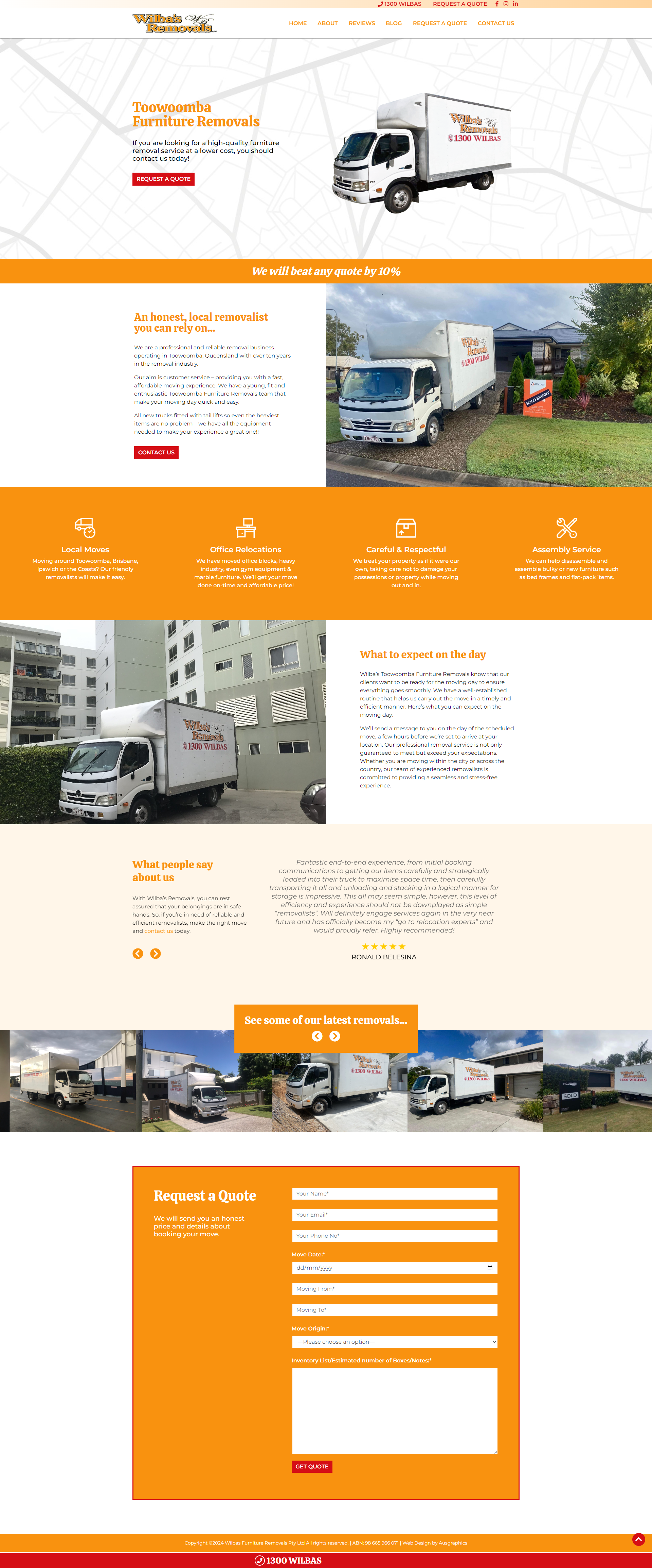
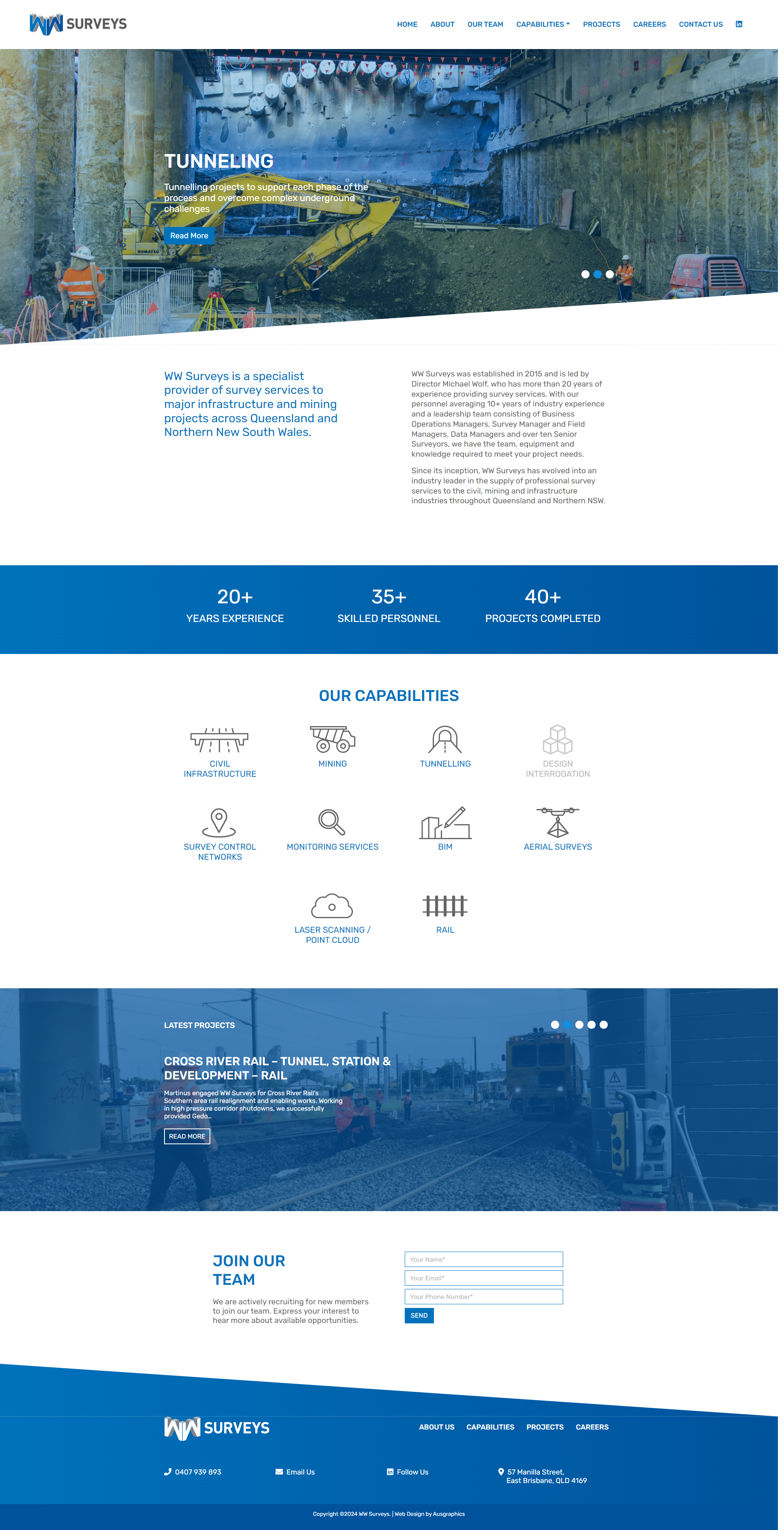
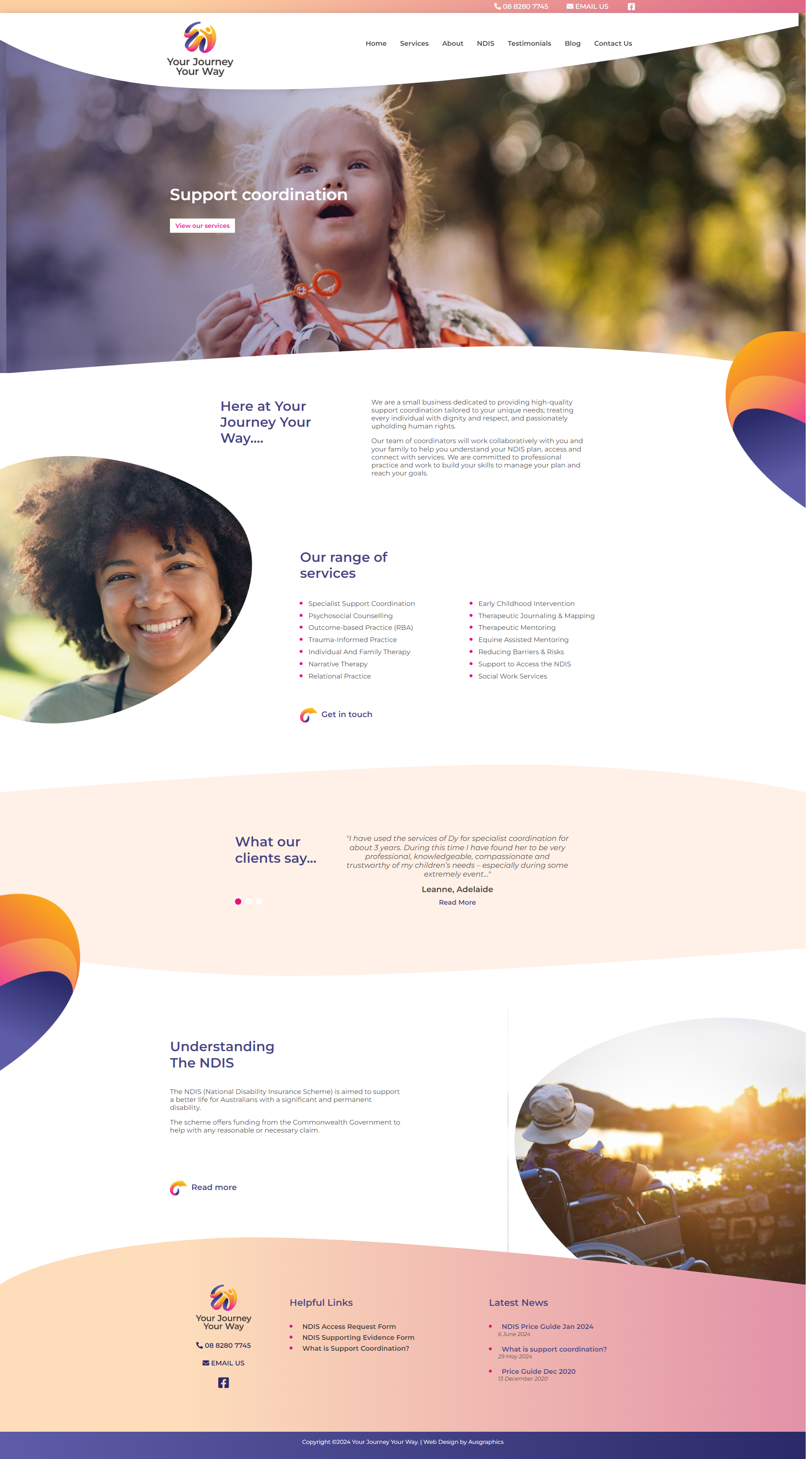
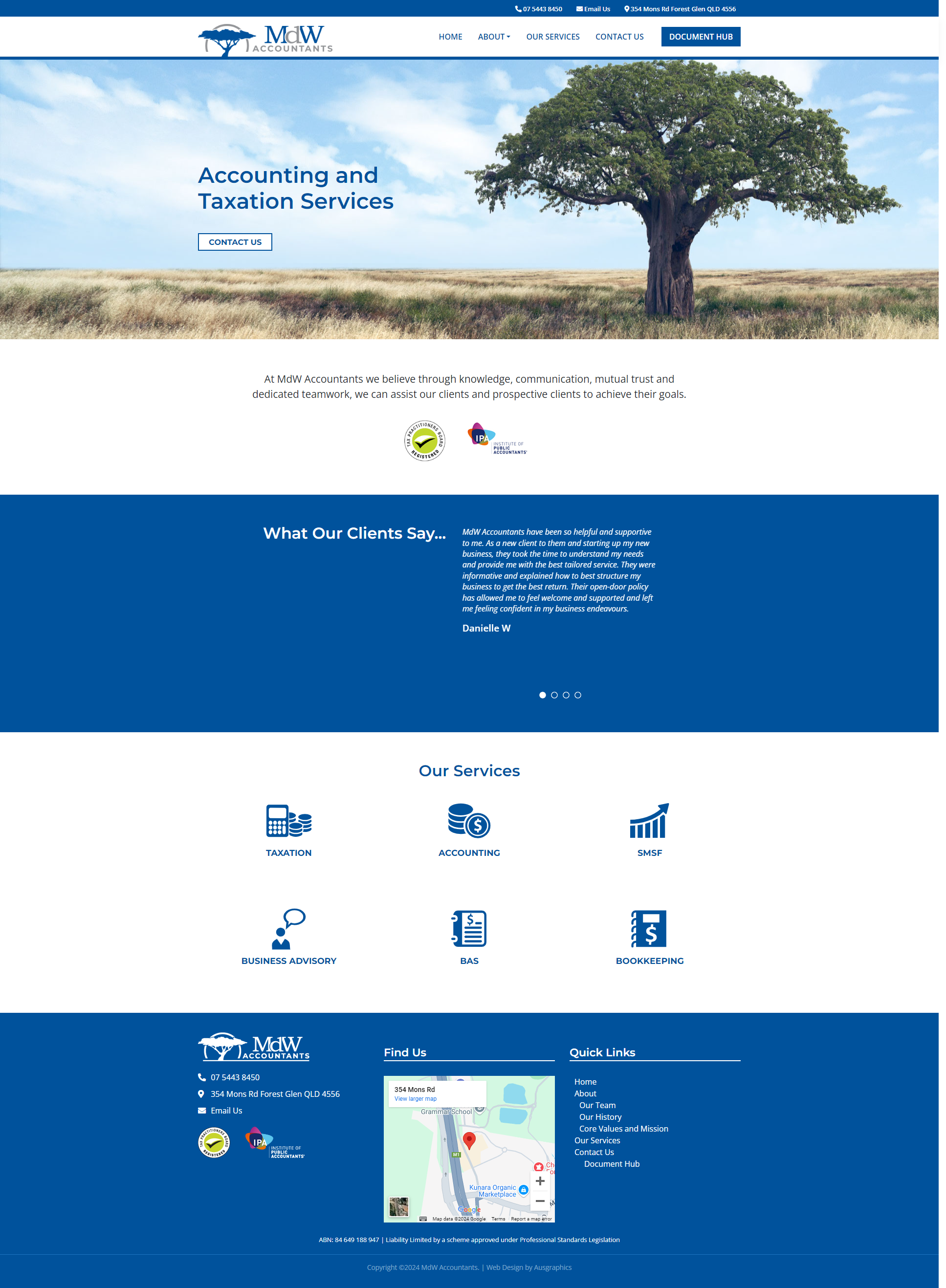
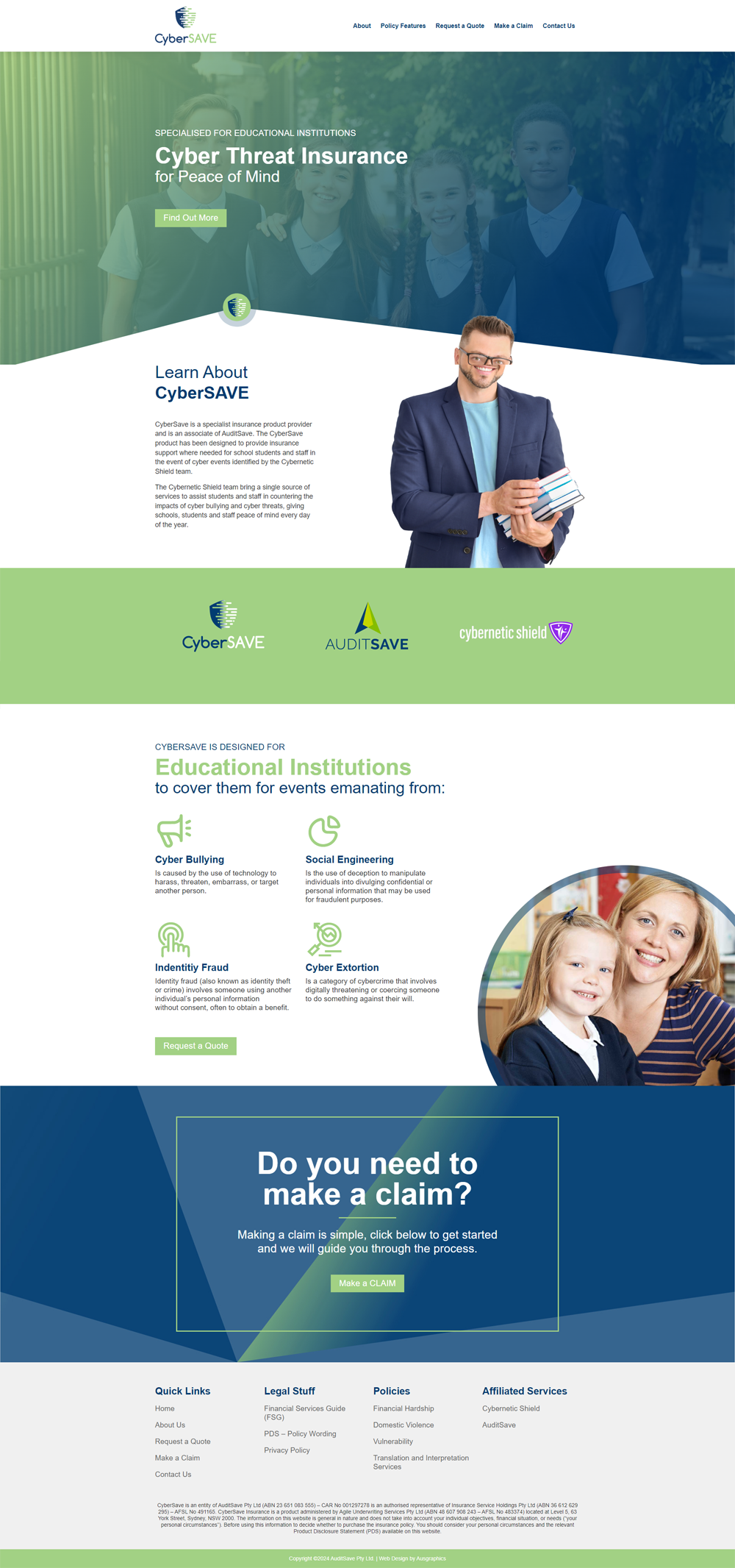
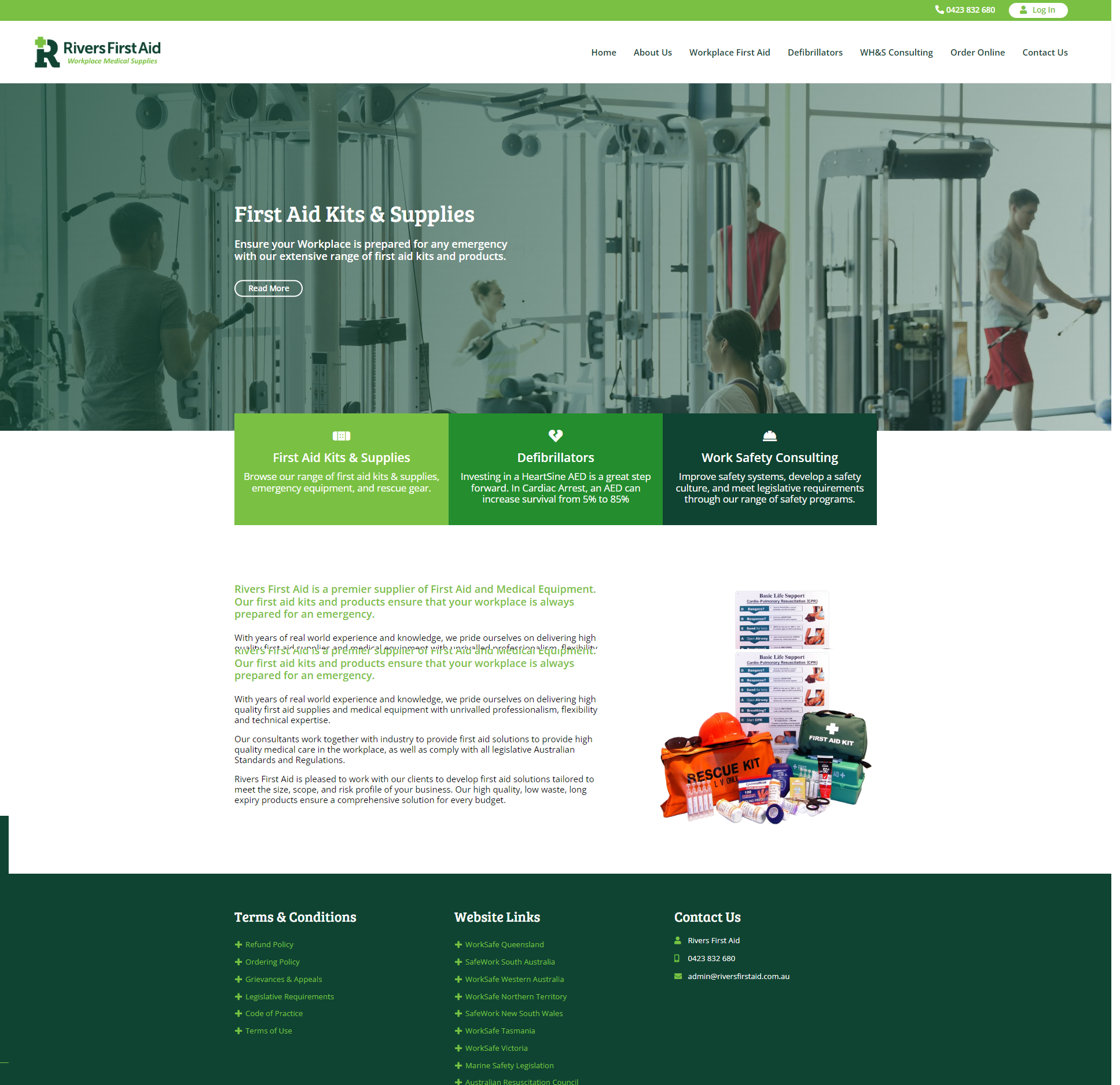
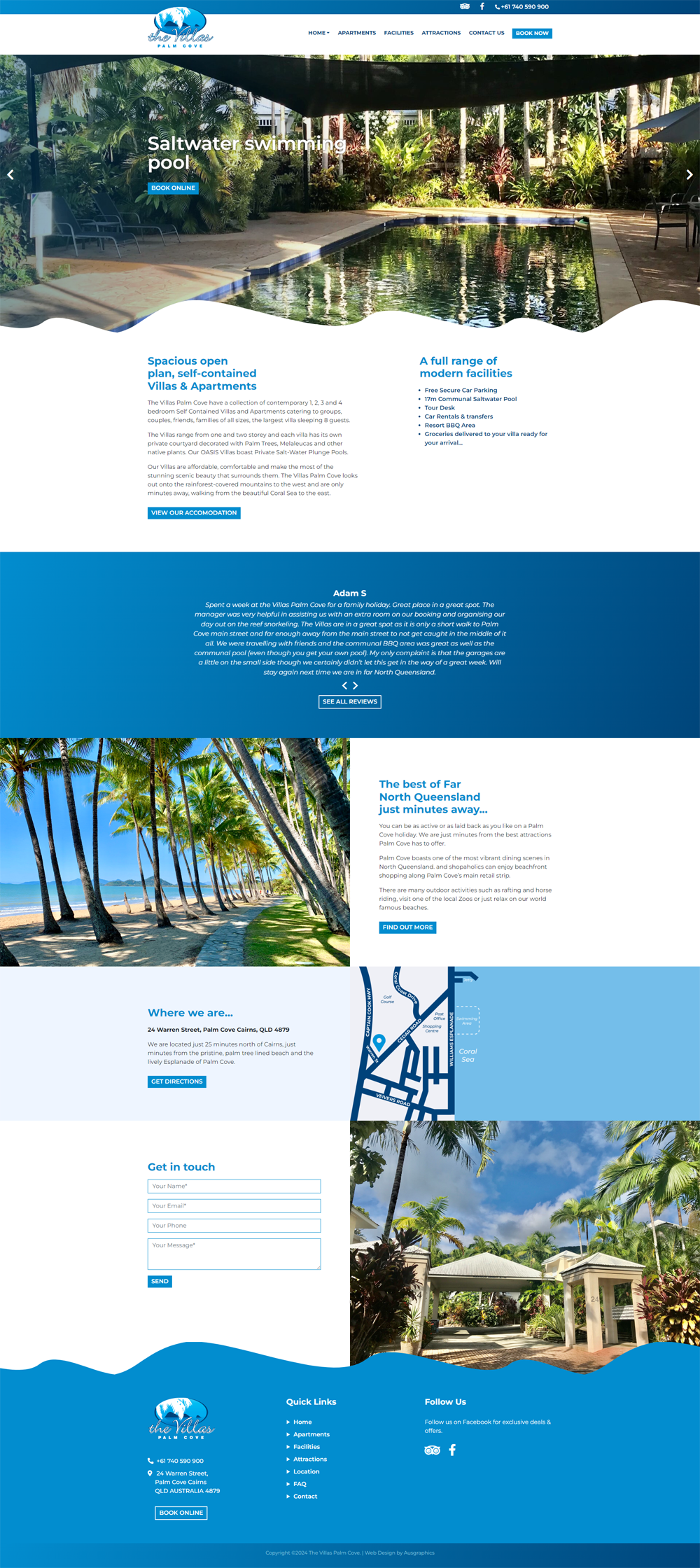
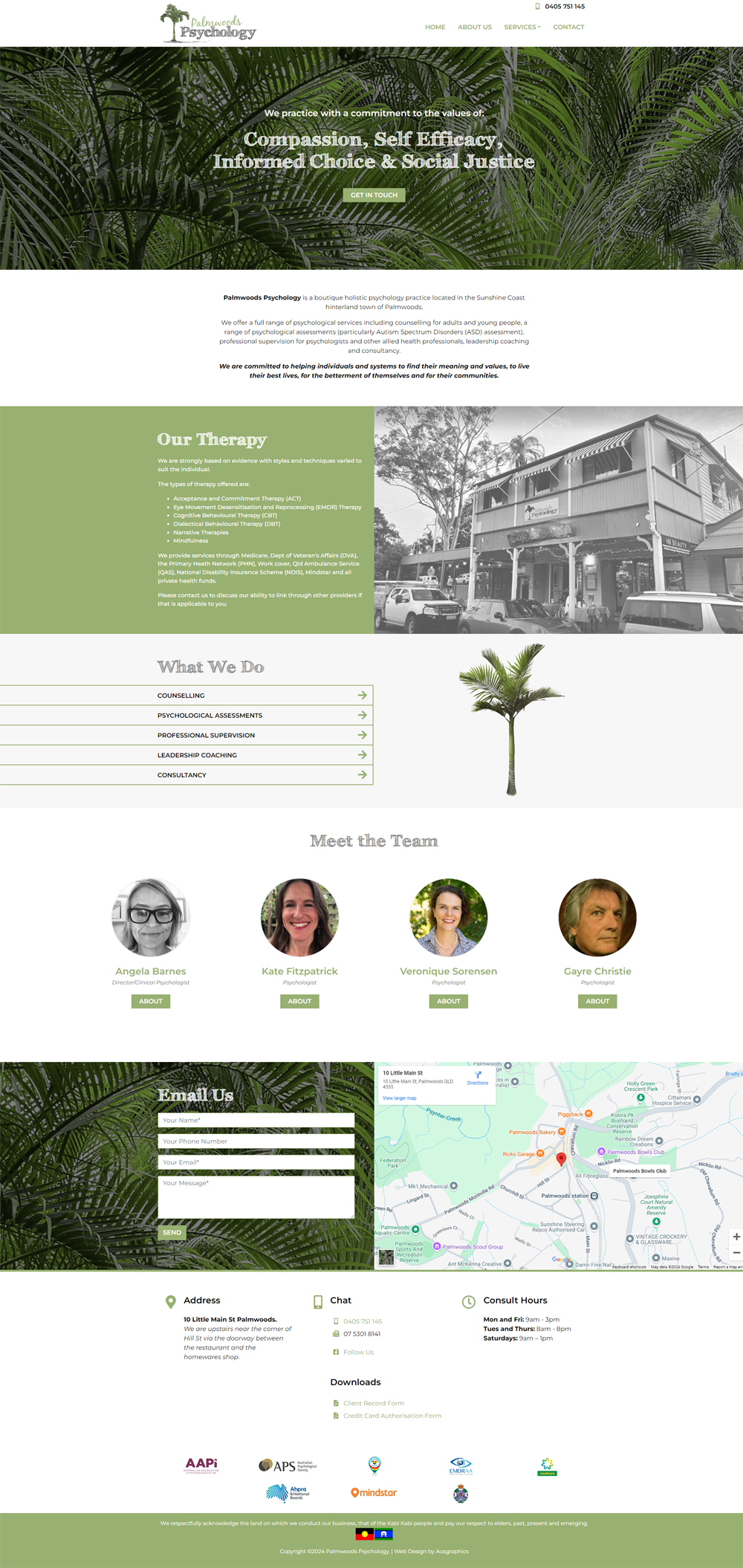
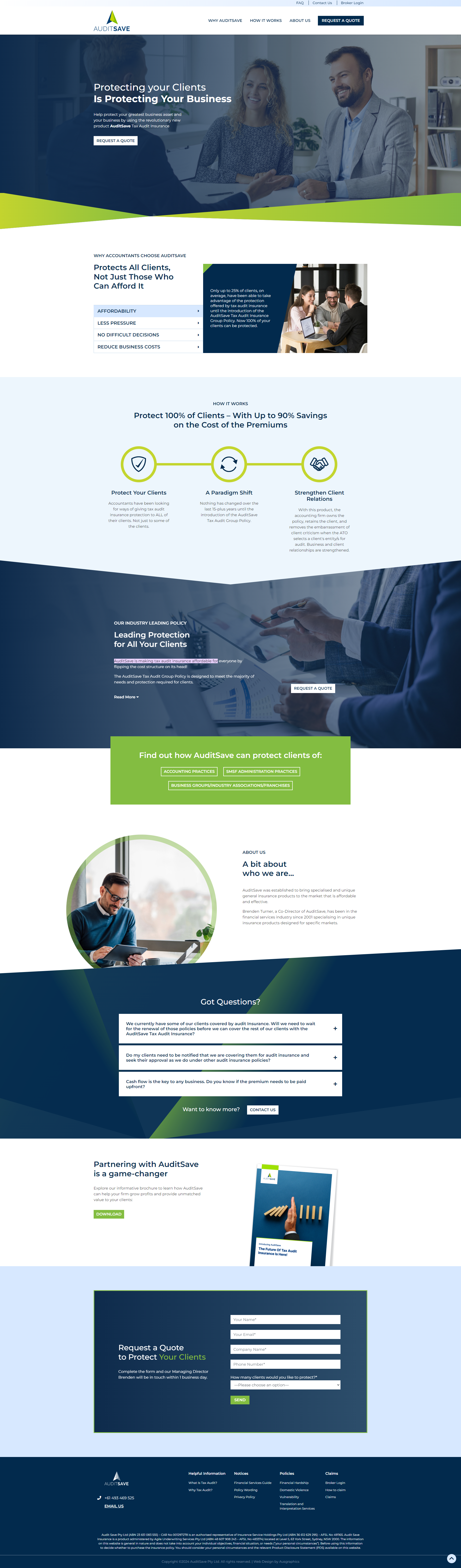
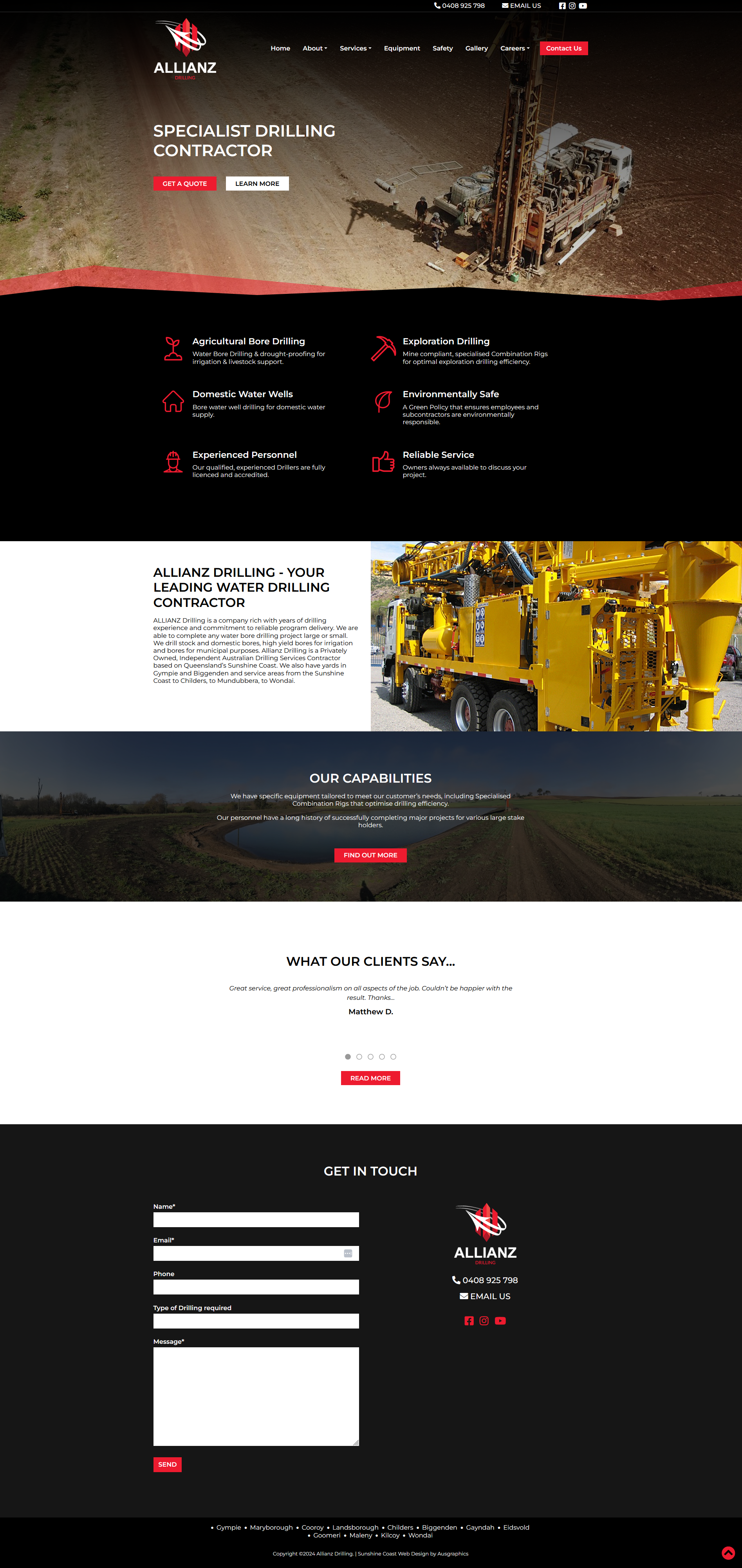
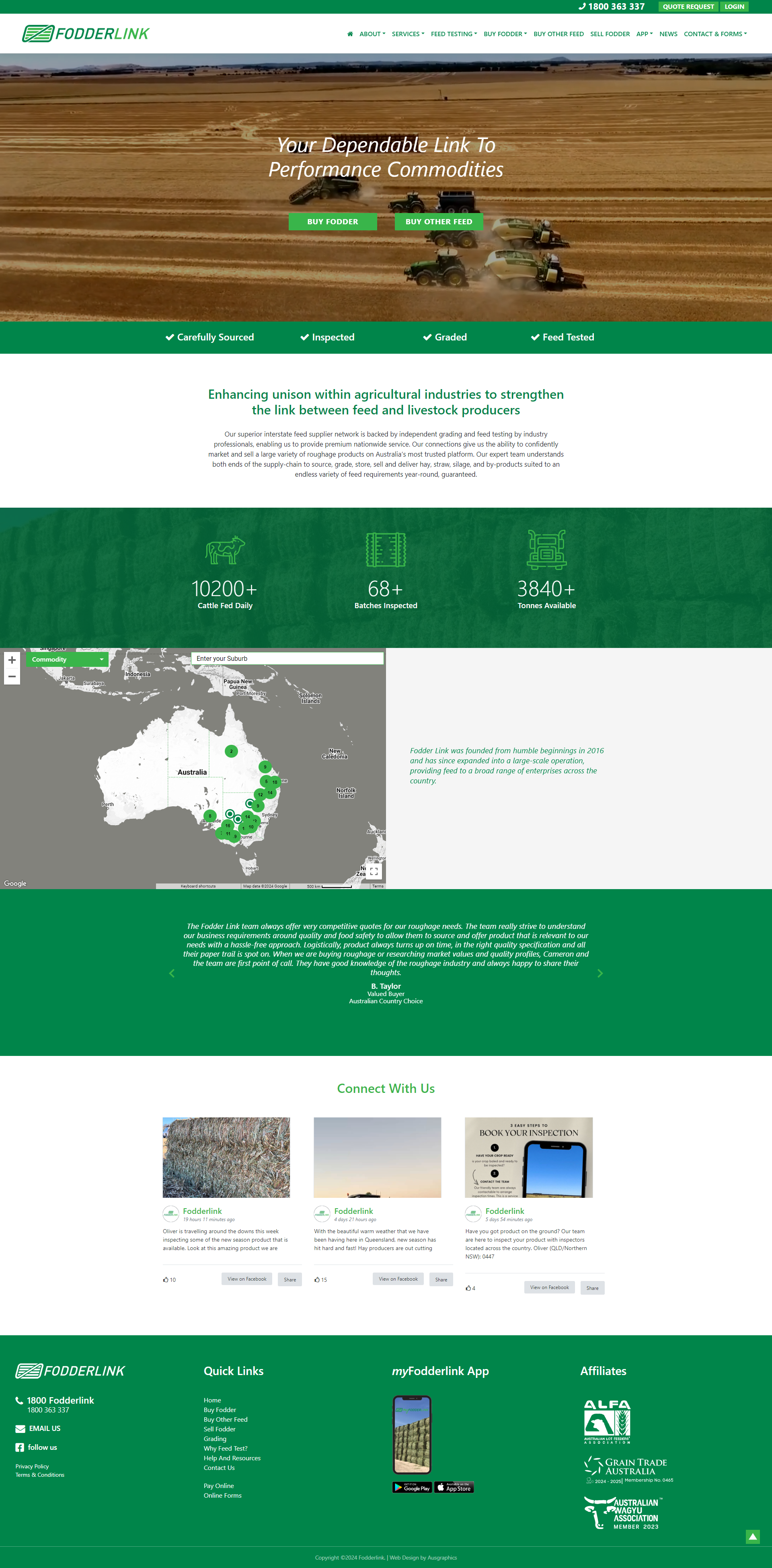
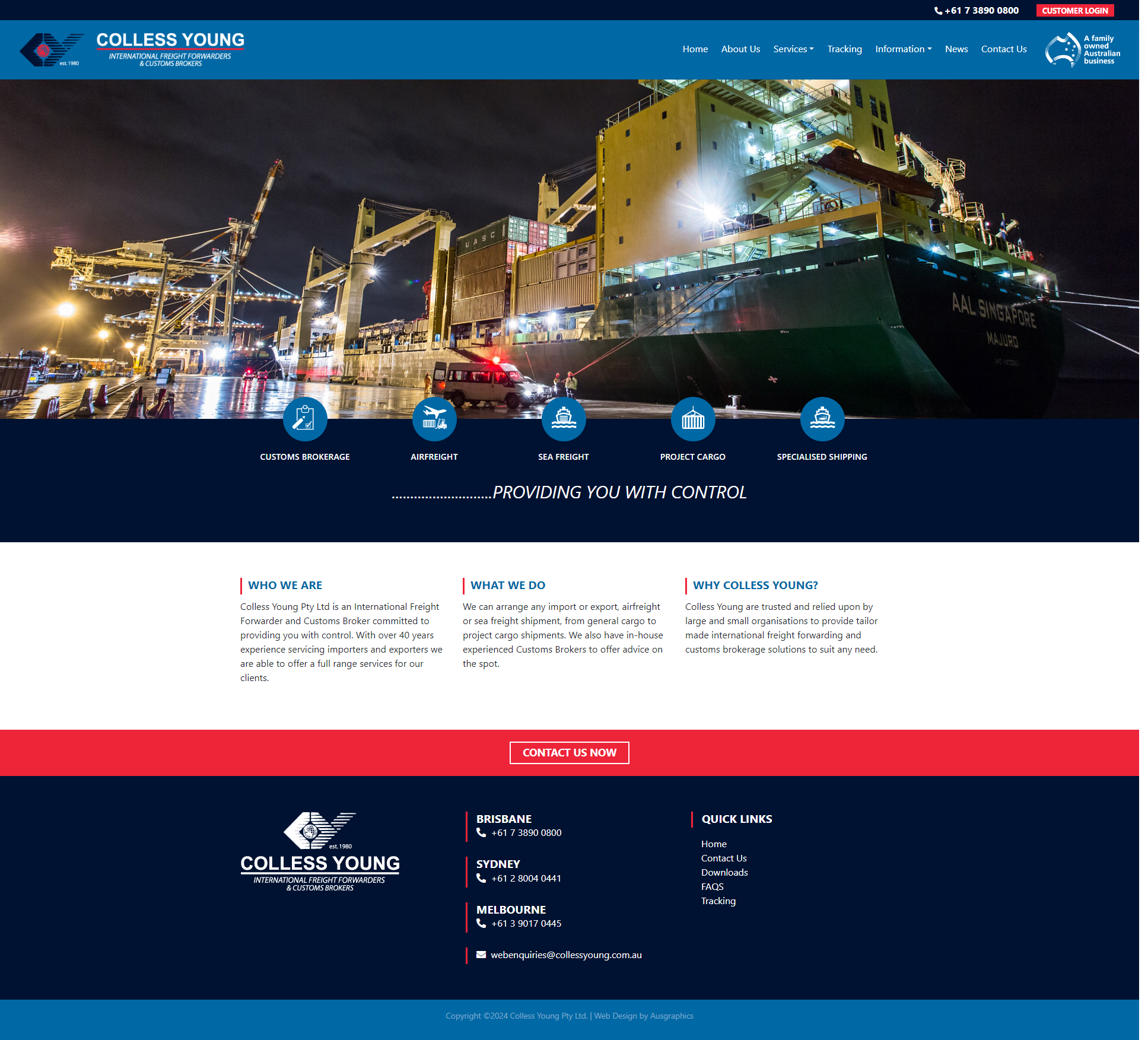
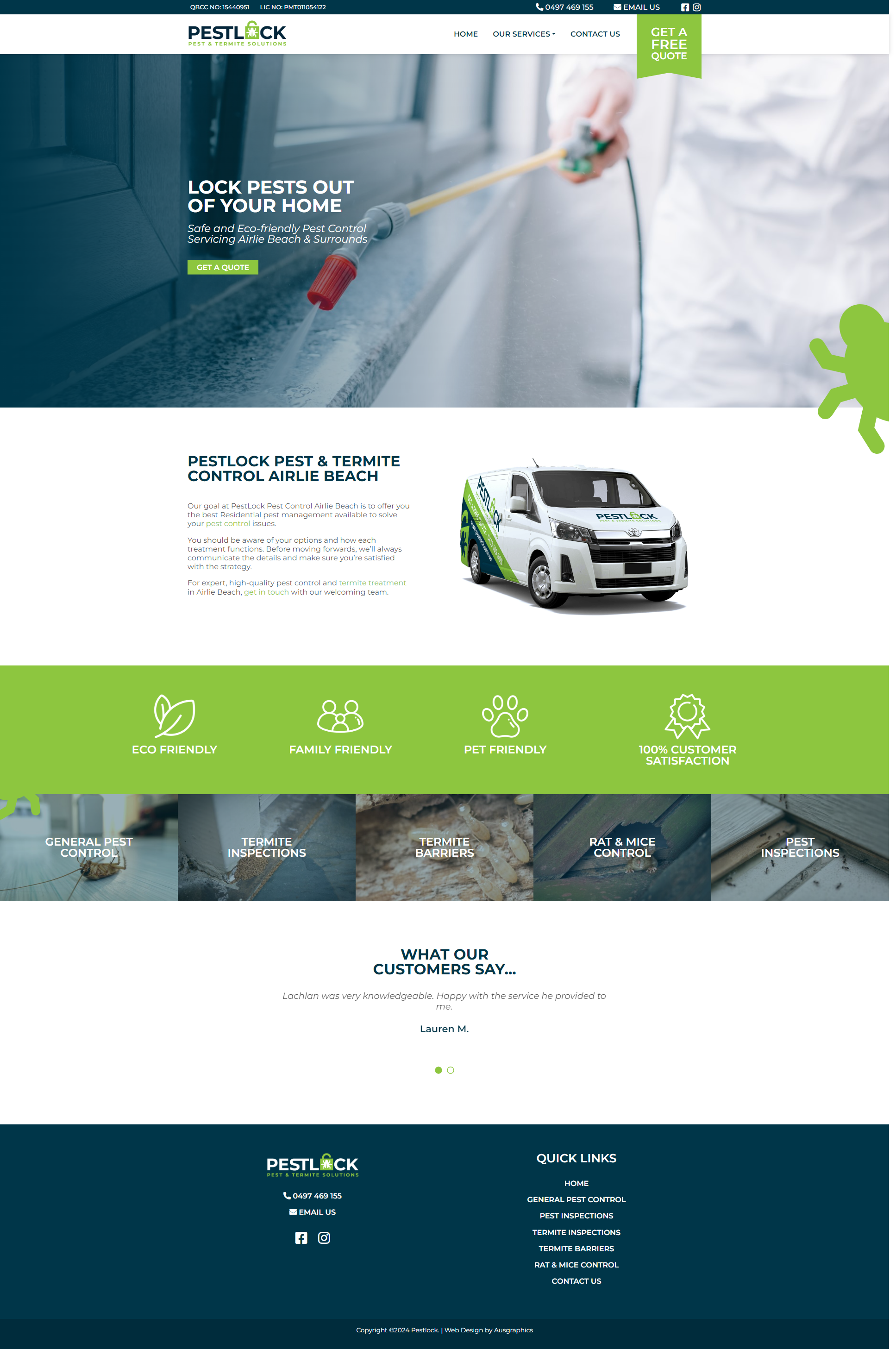
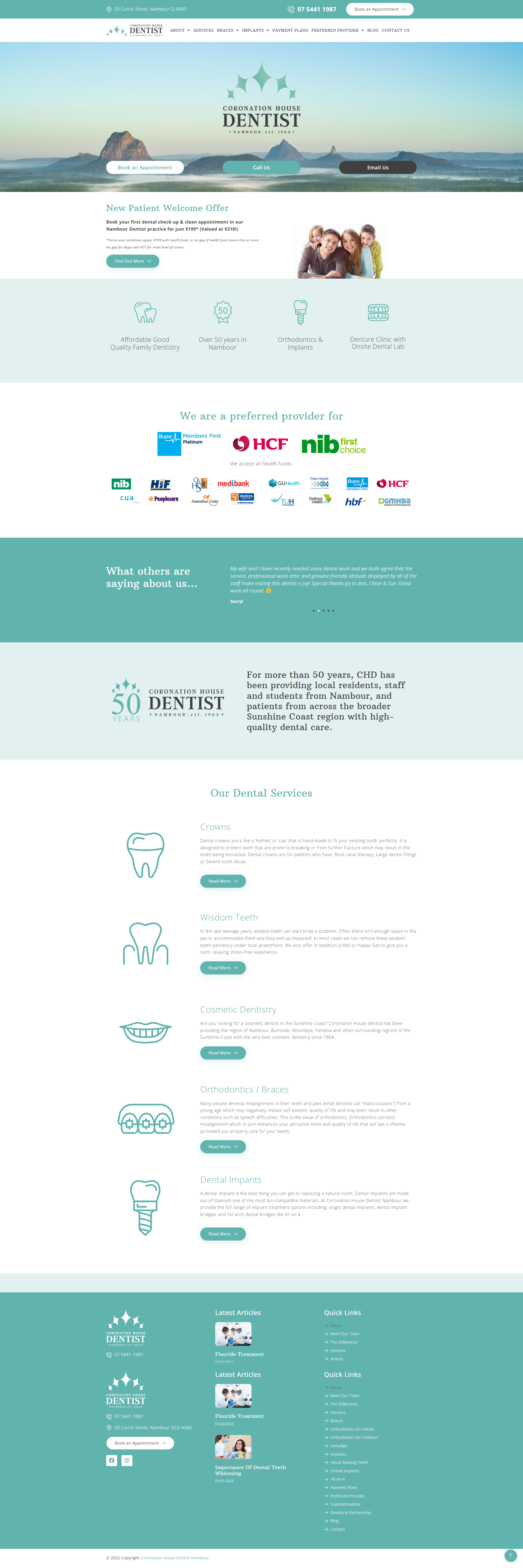
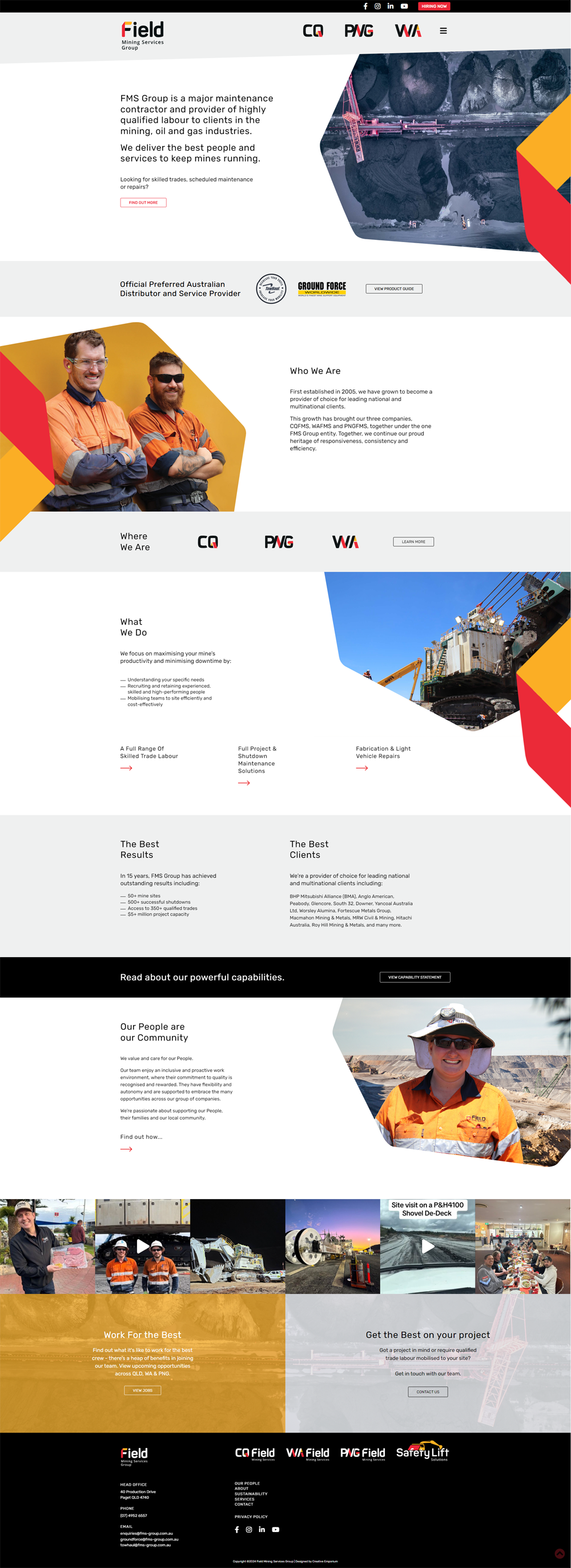
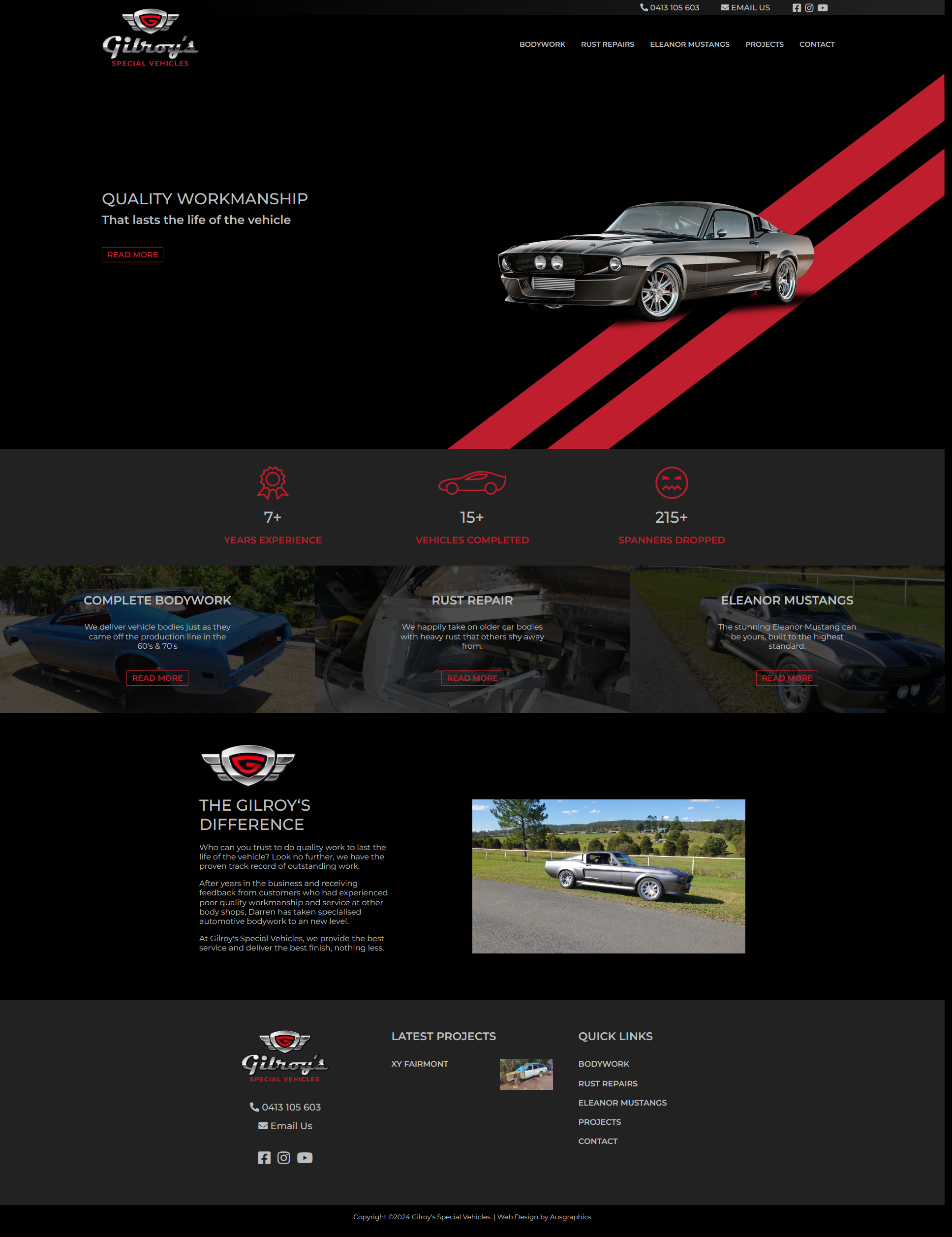
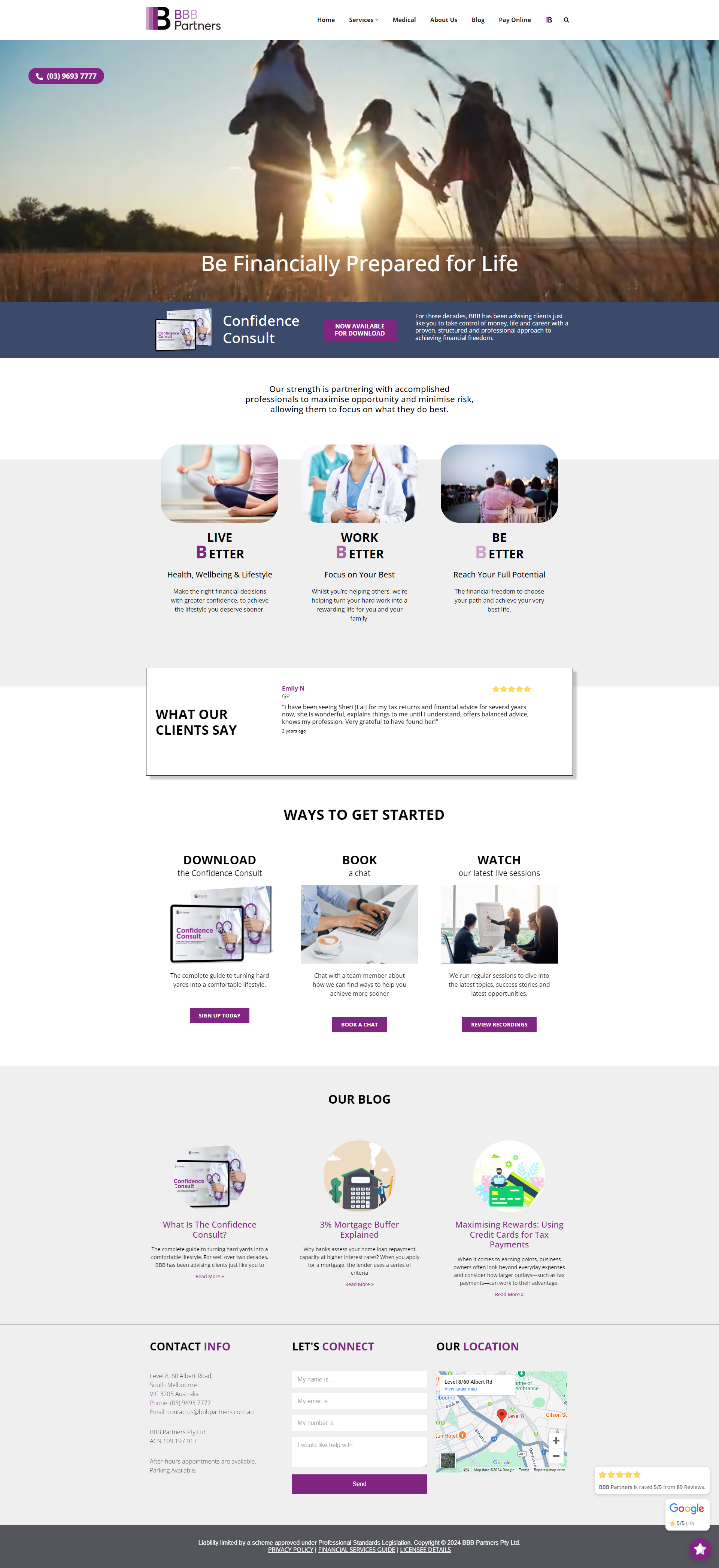
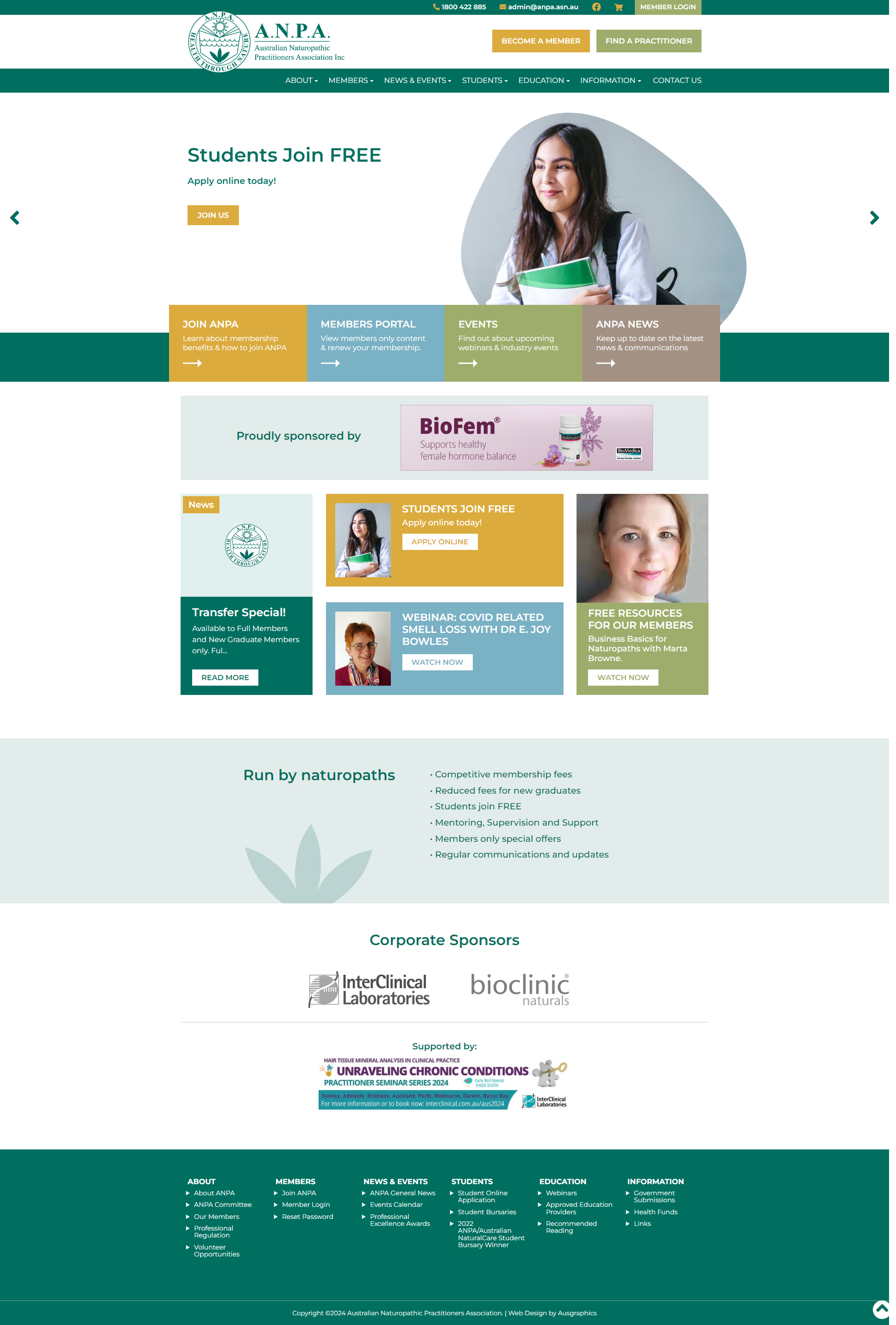
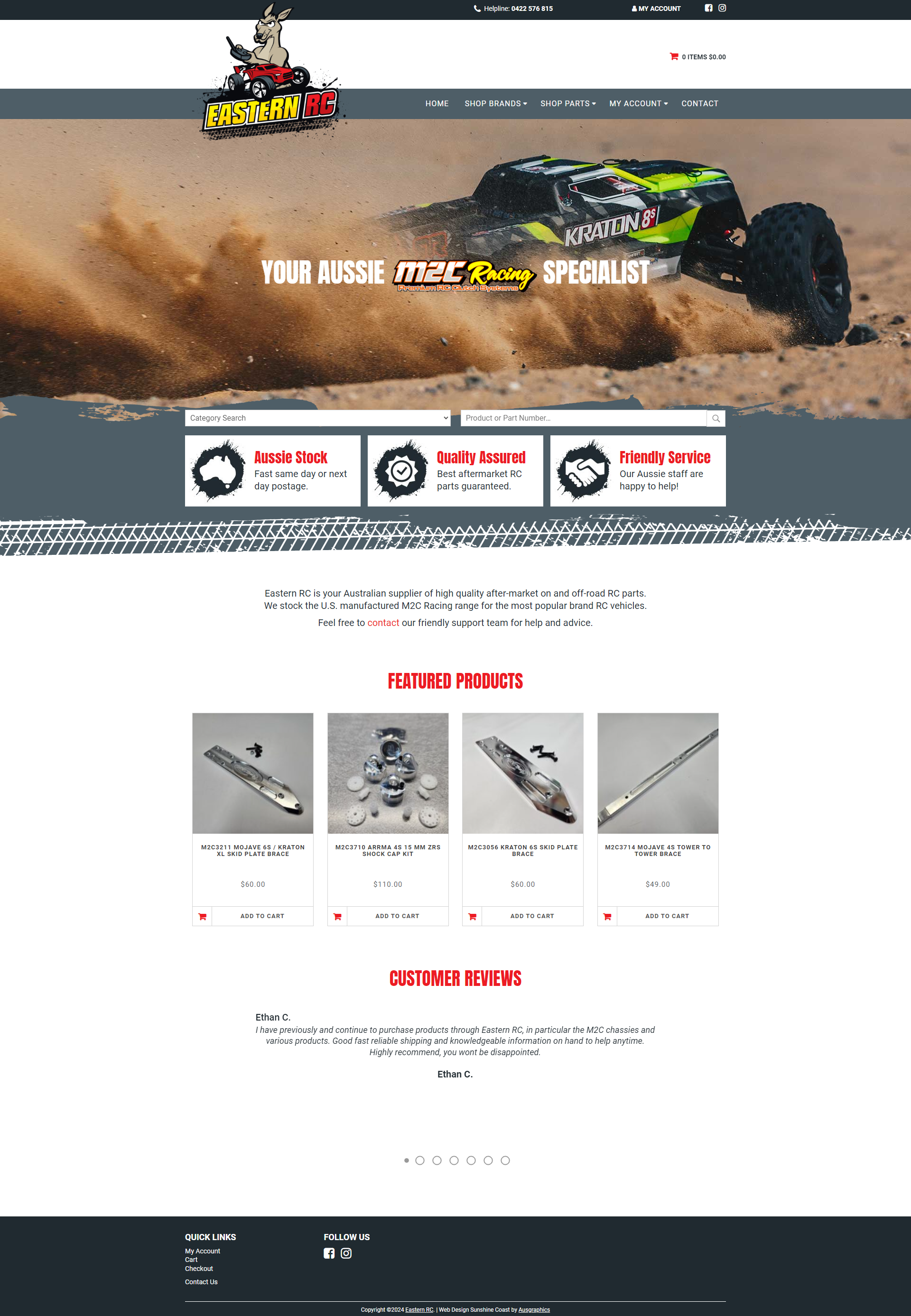
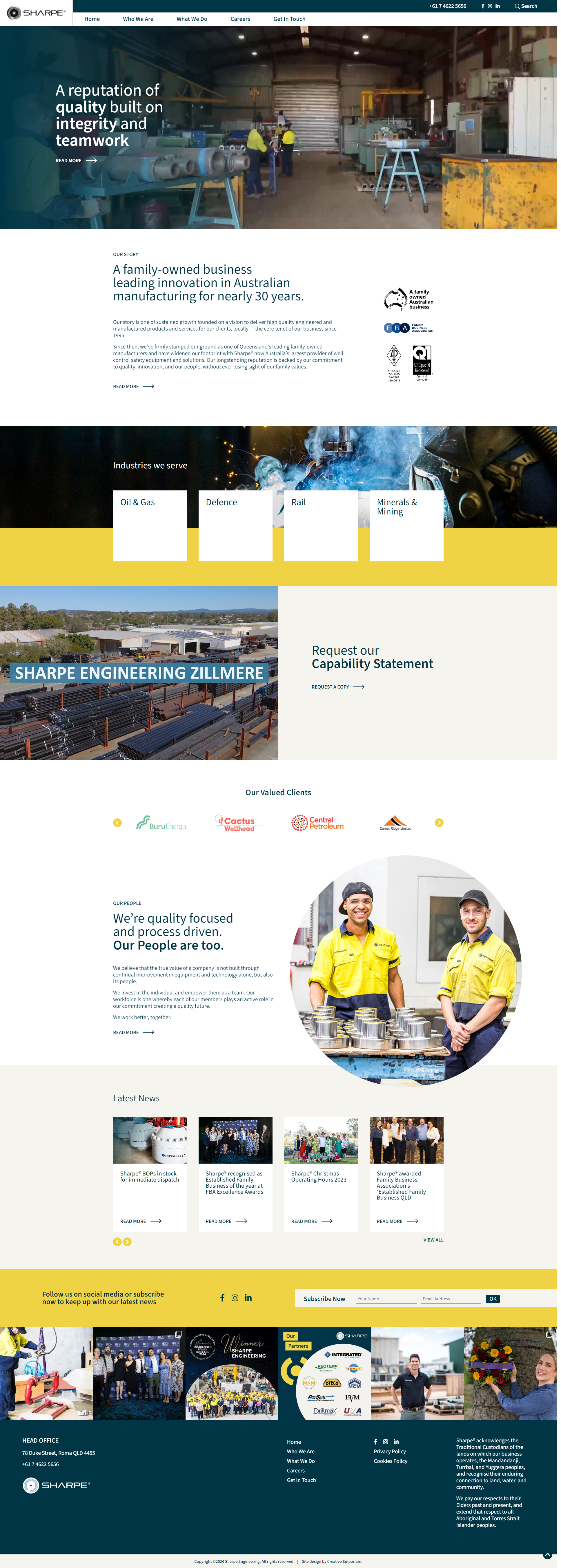
Our recent web design projects
At Ausgraphics, we use digital solutions to solve business problems and we speak your language. Our industry experts can assist with WordPress website design, app development, digital marketing, and more. View the latest work produced by the skilled Australian web design team.
We offer a complete graphic design service
Web design isn’t all about code. And it’s rare to find a company that has the skill to develop online applications that are also well designed.
Making sure your identity is consistent across internal communications, press ads, brochures and flyers, product packaging, and social media templates requires patience, attention to detail, and experience.
At Ausgraphics, our Australian graphic designers create stunning design experiences that perfectly capture your brand’s essence and show off the appropriate demeanor to engage your target audience.
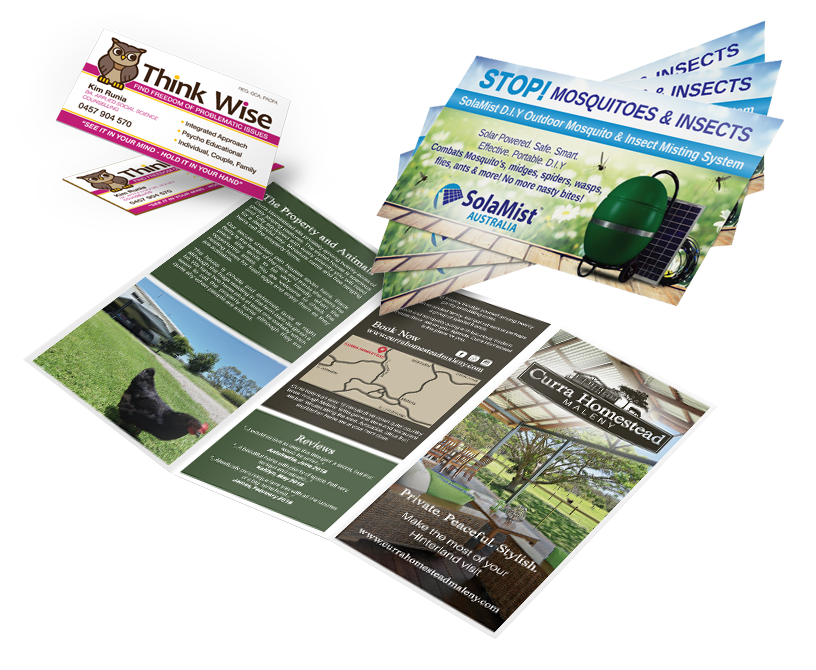
We can create and produce all of your external communications materials, such as flyers and brochures, catalogs, industrial designs, signage, yearly reports, corporate stationary, letterhead, business cards, and with compliment slips.
Our commercial print partner allows us to meet all your printing needs. We can help you with any size run—50 flyers or 10,000 brochures—that you may require. If necessary, we can also use the printer of your choice.
Have questions or want a quote?
We’d love to work with you on your next big idea, so tell us a bit about your project and we’ll be in touch!